
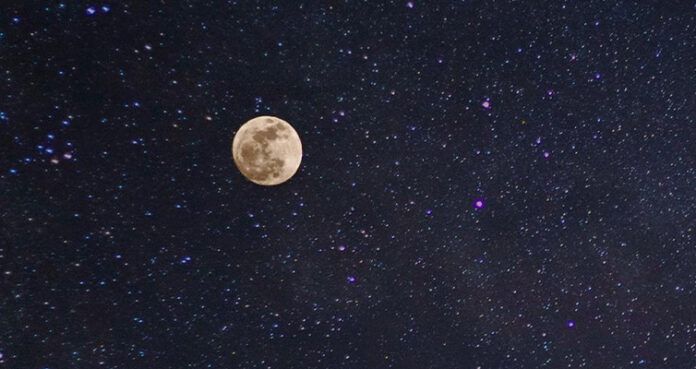

Protect animals by keeping the night sky dark.
Grade Level: K-6
Learning Objectives:
- Explain the impact of light pollution on wildlife
- Identify ways to decrease light pollution
During this activity students will:
- Learn about light pollution and how artificial light at night can impact wildlife
- Brainstorm ways to decrease light pollution
- Take a pledge to reduce light pollution
Materials
- Dark Skies Pledge
- Lights Out Poster
Instructions
- Talk about what artificial lights students see at night. If needed prompt them with examples such as: street lights, lights from people’s houses, lights on in store windows. Explain the concept of “light pollution”.
- Discuss how light at night can confuse animals and make it more difficult for them to live and find food. For example:
- Nocturnal animals, like bats and owls need darkness to hunt and stay safe.
- Birds can get confused by bright lights and fly towards them. They might get lost or fly into buildings.
- Insects like moths are attracted to lights. They fly around the lights instead of looking for food, which makes it harder for them to survive.
- Turtles can get disoriented by bright lights on the beach and head in the wrong direction, away from the ocean.
- Ask students to share ideas on how they can help reduce light pollution.
- Have each student pledge to make one change to help reduce light pollution using the pledges or create posters to remind their families/school/local businesses/community centre to turn off the lights at night (see Lights Out Poster Template).