


Subject: Wildlife and Habitat Conservation
Grade Level: 1-6
Themes: Habitats, Species at Risk, Protected Areas
In this episode, Olivia and Zara visit Cap Tourmente National Wildlife Area. They learn about why National Wildlife Areas are important for conserving wildlife and their habitats, especially for species at risk. They discuss factors that contribute to habitat degradation and things we can do to help.
Protecting Wildlife at Risk
Before Listening
-
Activate Prior Knowledge
Ask students:
- What is a habitat?
- What can hurt an animal’s habitat?
- What do you know about animals at risk? Do you know some examples of animals at risk?
- Have you ever heard of a National Wildlife Area? What do you think it is?
Explain to students that they’ll hear more about National Wildlife Areas and animals at risk. Ask students to think about how people can help animals have healthy homes.
-
Key Vocabulary Words
Preview the vocabulary below by reading aloud the terms and their definitions.
Focus on the word habitat: The natural homes of animals where they can find everything they need to survive, like food, water, shelter and space. Ask: What are different types of habitats? Which animals live there? Have students share examples of habitats, such as forests, wetlands, prairies, mountains, arctic, costal, and marine, and the animals that live there.
- Special concern species: A species that could be in trouble in the future if no action is taken.
- Threatened species: A species in danger of disappearing.
- Endangered species: A species very close to disappearing forever.
- Migration: When animals travel between breeding, feeding or wintering locations (often seasonally).
-
Monarch: An orange and black butterfly that
migrates from Canada to Mexico each fall
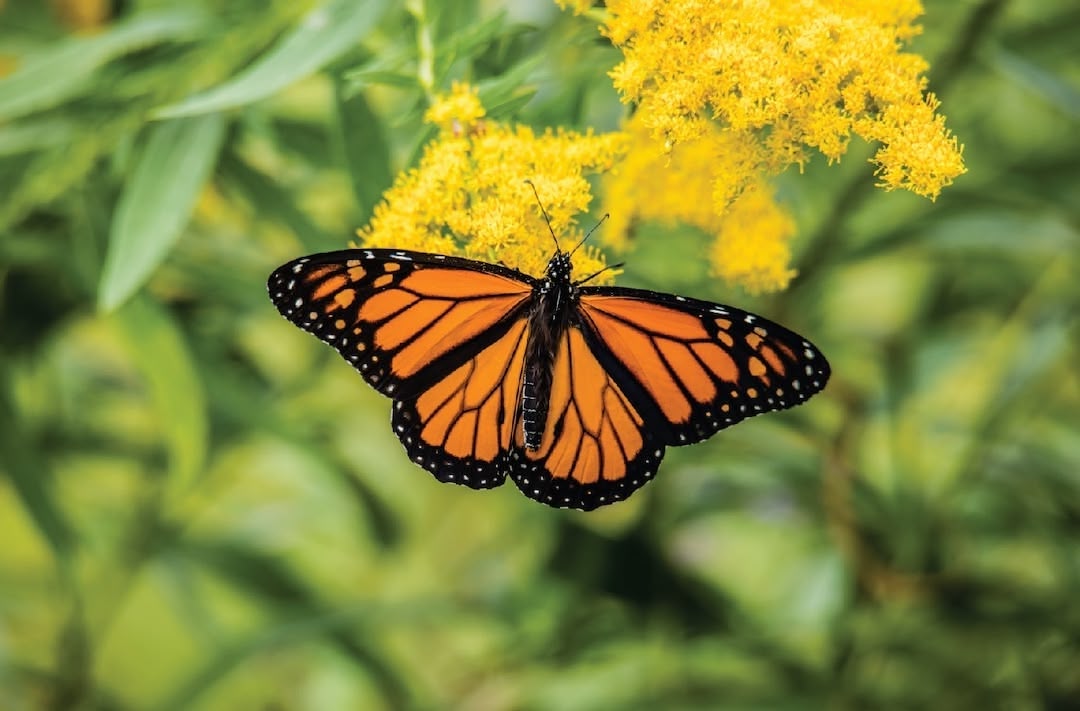
- Milkweed: A plant that is the main food source of monarch caterpillars
- Herbicide: A product that kills unwanted plants
- Pollinator: Animals that help plants grow by moving pollen from one flower to another
-
Introduction to the Story
Explain to the students that in this episode, Olivia and Zara are discovering Cap Tourmente National Wildlife Area and that they are going to learn about why National Wildlife Areas are important and what we can do to help species at risk.
-
Active listening support
Introduce the Listening Organizer t-chart to the students and explain how to use it as they are listening.
While Listening
Remind students as they listen to write down facts about protecting animals at risk on the left side of their t-chart, and questions they have about protecting animals at risk on the right side.
After Listening
Reflect on the Story
Ask students to respond to the listening comprehension questions and share their responses with a partner, small group, or the whole class.
Listening Comprehension Questions
Classroom Discussion Questions
Take time for student reflection on the audio story. Use the discussion questions to focus students on key themes and on ways we can help protect wildlife.
Next Step
As a class, create a plan to take action to help animals at risk. Below are some resources that can help you get started.
Earth Rangers Homeroom Classroom Activities
- The Greenbelt Game: This fun cooperative game helps students learn about different threats to biodiversity and why protected places like a Greenbelt are important for keeping plants and animals safe.
- Caring for Butterflies: By taking part in a community science project, students discover that they can help real scientists by observing, recording, and supporting butterfly conservation.
- Off we go!: A game that shows how conservation actions can help reduce habitat loss and keep natural areas connected so animals can move safely.
- Conservation Heroes: Students learn about different habitats and meet inspiring young researchers who are working to protect and care for these special places.
Earth Rangers Mission
- Outdoor Explorer Mission: Children learn about habitats and how we protect them by discovering the biodiversity around them.
Government of Canada
- Curious By Nature Guides: Tools to help your students explore nature
- Protect Nature Challenge
- How can we help monarch butterflies and other pollinators? – Ask a Scientist (video)
Listen to the whole Earth Rangers Podcast episode
Learn more about the Earth Rangers Podcast