

Subject: Severe weather and mitigation/adaptation strategies
Grade Level: 4-6
Themes: Severe weather, climate change and changing weather, nature-based mitigation and adaptation strategies
Background
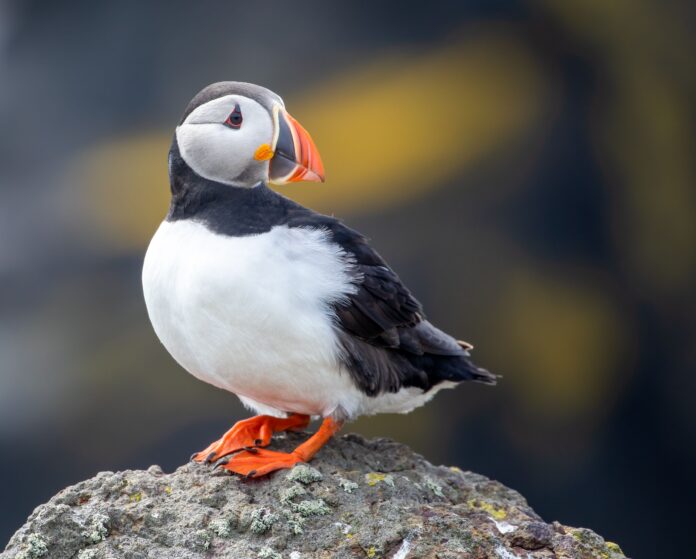
In this episode, Olivia is in St. John’s, Newfoundland. As part of the Go Green Race, she has to find a habitat marker for puffins. While out on the sea, she is faced with severe weather and must take precautions. Will she make the right choice?
Warning! Warning!
Before Listening
-
Activate prior knowledge
Ask students:
- Where is Newfoundland?
- What kinds of severe weather is common there?
- How can we find out more about the weather and precautions we should take?
Explain to students that they’ll hear more about how we can learn that severe weather is coming and measures we can take to remain safe.
-
Key vocabulary words
Preview the vocabulary by reading aloud the terms and their definitions.
Focus on the term weather alerts and the different types of alerts, like watches and warnings: The short video Weather Watch vs Warning, what’s the difference? (Ask-a-Scientist, Government of Canada) explains the difference between the two in an easy to understand manner. Weather alerts tell us what kind of weather is coming and how dangerous it might be. In Canada, there are three colours: yellow, orange, and red.
- Yellow: Bad weather that can sometimes break objects, cause problems, could hurt people or make them sick. The problems are small and only happen in some places for a short time. Yellow alerts happen the most often.
- Orange: Very bad weather that can break a lot of things, stop people from doing what they need to do, hurt people or make them sick. The problems are big, happen in many places, and might last for a few days. Orange alerts don’t happen very often.
- Red: Very dangerous weather that can destroy things and could be life-threatening. The problems are very big, happen in a lot of places, and last a long time. Red alerts almost never happen.
Additional vocabulary
- Puffin: A small black and white seabird that has a multicoloured beak. Approximately 95% of Atlantic Puffin breeding grounds are in Newfoundland and Labrador.
- Weather: What’s happening outside right now or soon (what you are wearing today).
- Climate: The usual weather in a place over a long period of time (what is in your closet).
- Severe Weather: Weather that might cause damage, such as strong winds, or have a big impact on people, such as extreme heat.
- Extreme weather: When storms, heat, or cold are stronger or unusual for a place or time of year. The Earth’s warming atmosphere causes the climate to change which affects ice, water, and weather patterns.
-
Introduction to the story
Explain to the students that in this episode, Olivia is participating in the Go Green Race. To stay in the race, she must find a marker in a Puffin habitat. Captain Reilly will help her get where she needs to go.
-
Active listening support
Introduce the Listening Organizer t-chart to the students and explain how to use it as they are listening.
While Listening
Remind students as they listen to write down notes about what they hear on the left side of their t-chart, and questions they have about what they hear on the right side.
After Listening
Reflect on the story
Ask students to respond to the listening comprehension questions and share their responses with a partner, small group, or the whole class.
Listening comprehension questions
Classroom discussion questions
Take time for student reflection on the audio story. Use the discussion questions to focus students on key themes and ways we can debunk myths.
Next Step
There are many innovative ways to mitigate the impacts of severe weather. As a class, research some nature-based solutions, including local examples, for different severe weather types.
Earth Rangers Homeroom
- Changing Climate and Extreme Weather: This overview gives examples of solutions being used to keep people and wildlife safe for eight different types of extreme weather.
Earth Rangers Mission
- Ready for Anything: Children create an emergency preparedness kit so they are ready to stay safe in any kind of weather.
Government of Canada
- Get prepared guides: Give information on what can be done to stay safe during different types of severe weather.
- Resources for Educators: A collection of resources for all ages and levels.
- “What is” Video series: Short videos aimed towards children including What is Climate Change?, What is Climate change Adaptation?, and What are Nature-based Solutions?
- Ask-A-Scientist series: Short student-friendly videos where scientists answer questions including Can we stop climate change?, Will we still get snow in the winter 2100?, and Are wildfires getting worse because of climate change?
Listen to the whole Earth Rangers Podcast episode
Learn more about the Earth Rangers Podcast