
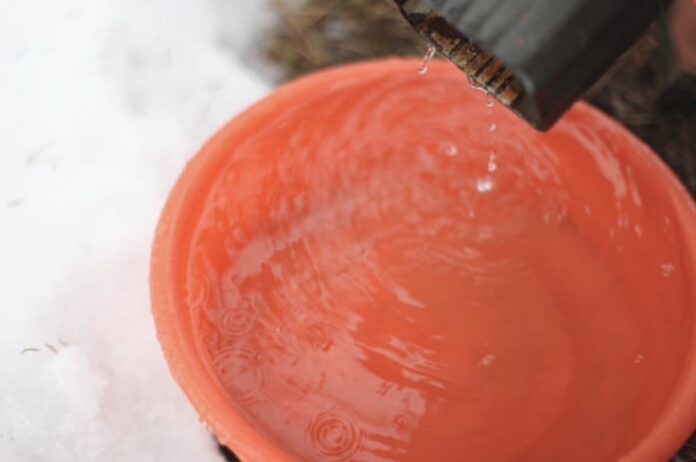

Design and build a rainwater harvester while exploring how conserving and caring for water can help communities and ecosystems become more resilient to a changing climate.
Grade Level: 4-6
Learning Objectives:
- Explain how precipitation moves through the environment and where rain goes after it falls
- Discuss how collecting and conserving rainwater can help people adapt to drought, heavy rainfall, and other effects of climate change
- Describe different relationships with water, including Indigenous perspectives that recognize responsibilities to care for and protect water
- Identify actions they can take to conserve and care for water in their own community
During this activity students will:
- Learn how rainwater harvesting can support climate adaptation and water resilience
- Work together to design and build a rainwater harvester
- Observe, measure, and evaluate how effectively their design collects water
- Use their collected rainwater and choose an additional action to care for water
Materials
- Clean bucket, large container, or reused plastic jug
- Funnel or other waterproof material for collecting rain
- Measuring cups, cylinders, or rulers
Introduction
Begin by asking students:
Explaining climate adaptation to students
Canada’s climate is changing. In different parts of the country, people may experience droughts, floods, extreme heat, and heavier rain.
Climate change adaptation means taking steps to prepare for these changes and reduce their impacts on people and ecosystems.
Water conservation, or saving water, is one way to adapt. During drought, using less water helps make our water supply last longer. During heavy rain, collecting rainwater allows us to save it for later.
Water security means being able to count on having enough clean and safe water for people and ecosystems.
Water resilience means being better prepared to deal with challenges such as droughts, floods, pollution, or changing weather patterns.
Rainwater harvesting, or collecting rainwater, is one tool that can help save water and make communities more resilient.
Water as relation
For some Indigenous Peoples, caring for water is connected to cultural responsibilities, traditions, and teachings that are passed down through generations. Indigenous Nations have many different cultures, languages, teachings, laws, and relationships with water.
Keepers of the Water, an Indigenous-led organization working across the Arctic Ocean Drainage Basin, teaches that water is more than a resource: it is a relation. Many Indigenous Peoples hunt, fish, trap, gather medicines, and stay connected to their traditional lands in this basin. This means we should not only think about what water provides for us, but also our responsibilities to respect, care for, and protect it.
Water flows from place to place, so pollution in one area can affect people, animals, and plants somewhere else. That is why everyone has a role in helping to care for and protect water. Some Indigenous Nations, including the Mikisew Cree First Nation and Athabasca Chipewyan First Nation in Alberta, have shared serious health concerns about pollution from nearby oilsands that may affect rivers, lakes and other waterways. Many Indigenous communities in Canada, such as the Neskantaga First Nation in Ontario, have also faced challenges in accessing reliable, safe drinking water.
Different communities can have different access to water. Protecting water sources, improving water systems, respecting Indigenous laws and knowledge, and preparing for challenges like droughts and floods can all help communities have a more secure water supply. A rainwater harvester can’t replace clean and safe drinking water, but it can help us learn one way of collecting and conserving water.
Activity: Design a Rain Harvester
- Design
- Begin by deciding what your class would like to do with the water it collects. For example, water a classroom or schoolyard garden, help water a tree, water indoor plants, or collect water to measure rainfall.
- How will you catch as much rain as possible? As a class, think about the size and shape of the collection area, where the harvester should be placed, how debris and insects can be kept out, and how you will remove the water afterward.
- Draw your rain harvester before building it. Label where rain enters, how it travels through the design, where it will be stored, and how you will remove the collected water.
- Build a rain harvester!
- Harvest the rain
When rain is expected, place your harvester in a safe location outside. After it rains, investigate:- How much water did we collect? Measure both rainfall and the volume of water collected.
- Did the container successfully store the water?
- Where did water escape? Did anything leak, tip over, or become blocked?
- Did the harvester’s location affect how much water it collected?
- What could we change to make our design even better?
Use your observations to make at least one improvement to the harvester. Test it again during the next rainfall or simulate rain using a watering can. Compare results before and after making improvements or compare different designs. Use the evidence to explain which design features helped the harvester collect and store water most effectively.
- Put your water to work
It’s time to use the water you harvested! Use the collected rainwater for your original purpose, such as watering classroom plants or a school garden, or washing off winter boots.
Discussion
Bring the class together to reflect on their experience and the connections to their community and the land.
Next step
For some Indigenous Peoples, caring for water is connected to cultural responsibilities, traditions and teachings passed down through generations. Indigenous Water Walks are a modern, special way of honoring the Earth that comes from very old traditions. They can bring attention to the health of waterways while expressing responsibility, gratitude, and respect for water.
Read The Water Walker by Joanne Robertson and/or take a water walk.
During your walk, ask:
- What do you notice about the water and the land around it?
- What plants and animals might depend on this water?
- Can you see anything that might help or harm the health of this water?
- What would you want to protect here?
- What responsibilities do we have to this water?
Using Earth Rangers’ Ways to Protect the Planet resource, collaborate as a group and identify actions that can be taken to protect the planet with an emphasis on conserving water and protecting freshwater. Examples include collecting rainwater for plants, turning off taps when water isn’t needed, checking for dripping faucets, picking up litter before it reaches a storm drain, learning where their community’s water comes from, investigating their local watershed, or teaching someone else what they learned about water resilience by making a poster about what water means to them, how plants and animals rely on water, or an inspirational message about protecting water.
Resources
Earth Rangers
Ways to Protect the Planet (Earth Rangers)
Websites
Sky Watchers Teacher’s Guide (Environment and Climate Change Canada)
Extend learning beyond this activity by exploring Section 3: Precipitation of this educator resource to learn about different types of precipitation, measure rainfall, and build a recycled rain gauge.
Youth Engagement (Keepers of the Water)
An Indigenous-led organization dedicated to protecting the Arctic Ocean Drainage Basin. Learn about Indigenous water governance, youth perspectives on water as a relation, and our shared responsibilities to care for water for future generations.
Active long-term drinking water advisories (Government of Canada)
Find details on active long-term drinking water advisories on public systems in First Nations communities.
Video
Keepers of the Water – Short Documentary (YouTube)
View a short documentary about a young group of Indigenous children in Fort Chipewyan, Canada directly downstream from the Alberta Tar Sands. The community came together to voice concerns about the threat to the environment and wellbeing of people in the community.
Book
The Water Walker by Joanne Robertson (Strong Nations)
Anishinaabe Grandmother Josephine Mandamin walked around the Great Lakes and other waterways to raise awareness about the need to protect Nibi (water) for future generations and all living things.