
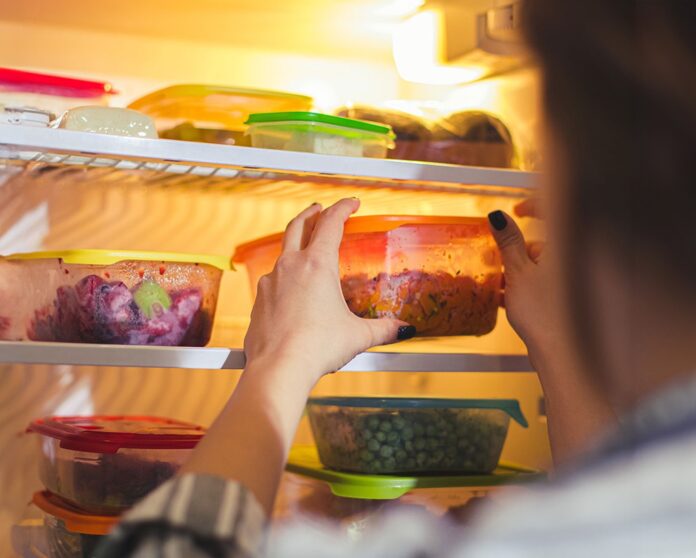

Do your part to cut down on food waste and help fight climate change!
Grade Level: K-6
Learning Objectives:
- Differentiate between avoidable and unavoidable food waste
- Identify means of reducing food waste
During this activity students will:
- Learn about the types and impacts of food waste
- Track their food waste habits for a week
- Brainstorm ways to decrease food waste
- Share their learning with others
Materials
- Habit sheet (for teacher)
- Challenge Chart (one per student – printed on GOOS paper)
Instructions
- As a class, discuss food waste, especially the difference between avoidable and unavoidable food waste (i.e. Food we could have eaten but we throw away or let spoil vs the parts of food that we don’t usually eat). Have students brainstorm the impacts of food waste.
- As a class, take the quiz: How much food do we throw away every day?
- Explain that to help cut down on food waste, you are going to take on the All Taste No Waste Challenge. Explain the eight habits using the Habit sheet and answer any questions.
- Distribute the challenge chart and explain to students that every day for the next week, they will put a check mark next to the habits that they do that day, and that they can only check each habit once a day. Explain that next week you will check in to see how it went.
- A week later, make a full group tally by combining the number of checks for each habit and discuss the results. The following questions can guide the discussion:
- For you, what was the easiest habit? Why?
- Was there another habit you found difficult? Why?
- Why do you think people waste so much food? How could we change this?
- How do you think we can get people to change their habits?
- Ask each student to pick the most important message they learned during the challenge that they would like to pass along. Remind them that it doesn’t have to be the same message for everyone. Challenge them to share it with 5 different people and the following week discuss the reactions they had to their messages.